
 Portuguese
  English
  Japanese
  Russian
  Spanish
  Italian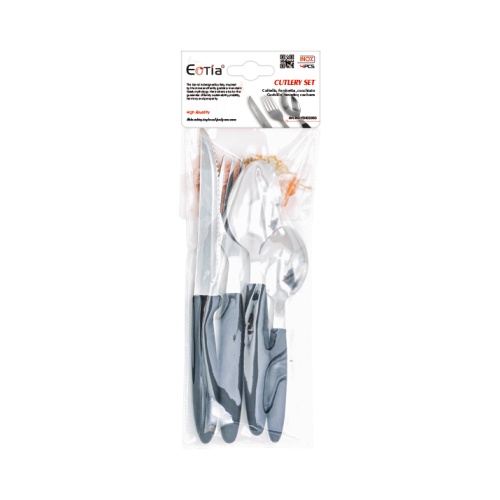
Ever wondered how cold metal becomes your favorite fork? It is truly a fascinating journey.
Crafting elegant everyday utensils requires extreme precision. We will explore how stainless steel cutlery is manufactured.
In this guide, you will learn the exact steps. We cover everything from raw metal to global distribution.
Understanding the Raw Materials for Stainless Steel Cutlery Production
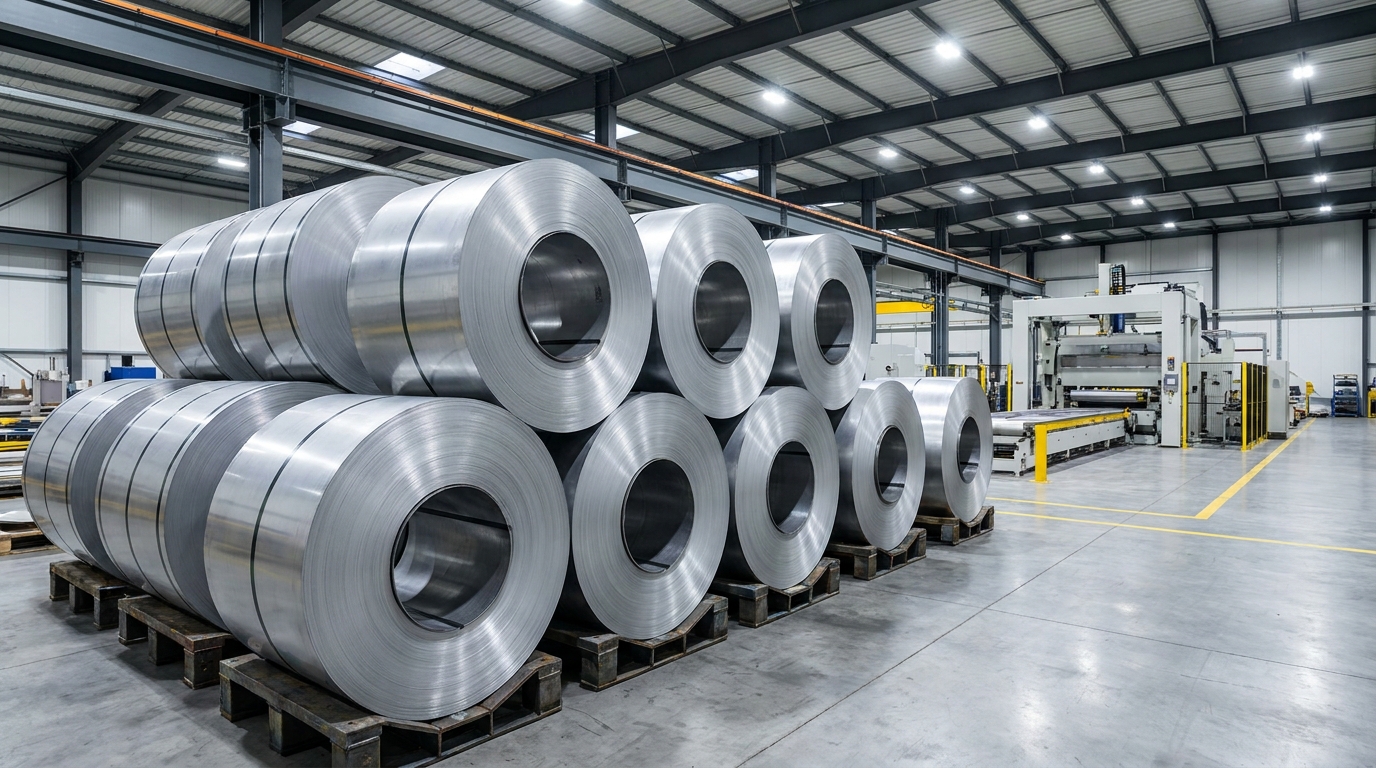
Every great piece of flatware starts as a massive coil of raw steel. Before diving into the actual cutlery manufacturing process, we must understand these base materials. The quality of your forks, spoons, and knives depends entirely on the metal chosen at this very first stage.
The Science of Stainless Steel Grades
Stainless steel is a highly versatile alloy. It mixes iron, carbon, chromium, and nickel. Manufacturers use specific ratios to balance strength, shine, and rust resistance. You often see numbers like 18/10 or 18/0 stamped on the back of your spoons. These numbers represent the exact chromium and nickel percentages in the metal.
| Steel Grade | Composition | Key Characteristics | Primary Use |
|---|---|---|---|
| 18/10 | 18% Chromium, 10% Nickel | Highest corrosion resistance, silver-like luster, non-magnetic. | Premium, high-end flatware. |
| 18/8 | 18% Chromium, 8% Nickel | Highly durable, excellent shine, rust-resistant. | Standard quality flatware. |
| 18/0 | 18% Chromium, 0% Nickel | Magnetic, more affordable, slightly prone to long-term staining. | Everyday budget flatware. |
| 13/0 | 13% Chromium, 0% Nickel | Can be hardened and sharpened easily. | Knife blades. |
Why Stainless Steel is the Industry Standard
Why do we use stainless steel instead of silver or aluminum? It comes down to everyday practicality. Stainless steel resists rust and pitting. It easily survives harsh dishwasher detergents and high heat. It also mimics the beautiful luster of traditional silver without the exhausting maintenance.
At Honry Kitchenware, we export premium kitchen supplies to over 80 countries. We see firsthand how different global markets demand exceptional durability. Stainless steel consistently meets these strict international standards. It provides heavy-duty performance while looking elegant on any dining table.
Sourcing High-Quality Metal Coils and Sheets
A successful stainless steel cutlery production run requires flawless raw materials. Factories do not buy just any steel. They source massive, tightly wound coils or thick flat sheets from trusted mills. The metal thickness usually ranges from 2mm to 5mm for premium grades.
Before stamping begins, quality control teams test the chemical composition. They ensure the chromium and nickel levels are exact. If the metal has impurities, the final product might crack during heavy pressing stages. Starting with premium metal ensures the final pieces feel balanced and strong.
The Step-by-Step Cutlery Manufacturing Process
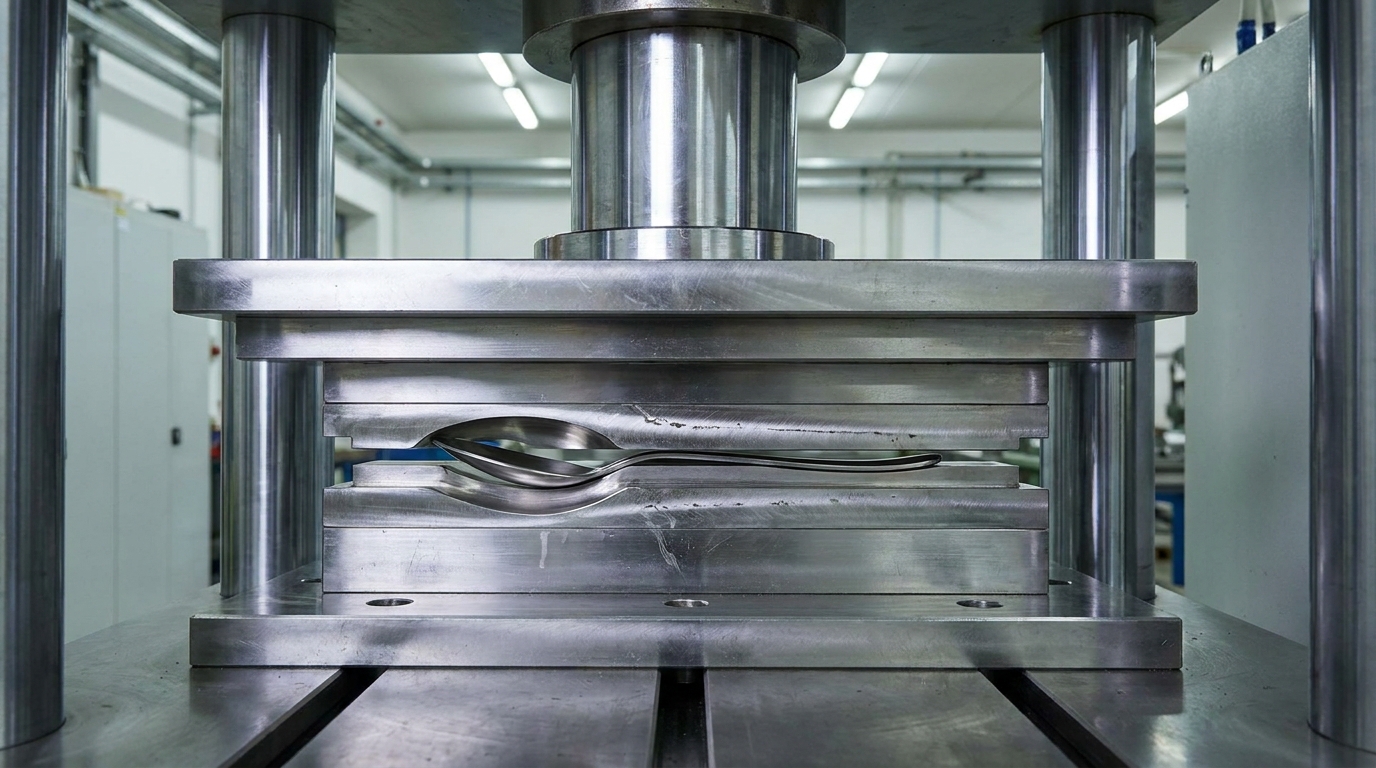
Once a flatware factory approves the raw steel coils, the real transformation begins. You might think shaping metal is simple. However, high-quality cutlery actually goes through 25 to 35 distinct manufacturing stages. Honry Kitchenware utilizes a state-of-the-art facility to handle these steps. We ensure our high production capacity never compromises precision. Let us walk through how flat sheets become elegant dining tools.
Blanking and Cutting
Everything starts with a massive stamping machine. It punches basic outlines directly out of the thick steel coils. We call these flat shapes “blanks.” They look like rough, two-dimensional silhouettes of spoons, forks, or knives. Factories recycle the leftover scrap metal immediately. This ensures minimal waste during production.
Rolling for Balance and Thickness
Right after blanking, the metal is entirely uniform. A comfortable utensil needs varied thickness. The blanks pass through heavy steel rollers. This action stretches and thins specific areas. For example, a spoon handle remains thick for a solid grip. Meanwhile, the top section becomes thinner and wider. This step creates the perfect weight and balance you feel in your hand.
Forging and Pressing
Next, the metal receives its unique design. Hydraulic presses exert incredible force, often between 200 and 600 tons of pressure. They strike the blanks using custom master dies. This heavy impact embosses intricate patterns, brand logos, and ergonomic curves onto the handles.
- Stamped Cutlery: Cut from a flat sheet. It feels lighter and flatter.
- Forged Cutlery: Made from a single thick metal bar. It offers stronger, three-dimensional shapes.
Trimming and Piercing
Heavy pressing pushes excess metal out around the edges. Machines carefully trim away this extra material to create a clean outline. This stage is especially crucial for forks. The highly precise process of making stainless steel forks happens right here. Specialized piercing tools punch through the solid top of the fork blank. They cut out the tines (prongs) with exact spacing and perfect alignment.
Forming the Bowl
Spoons require a different shaping method. They move to a dedicated hydraulic press equipped with a curved die. The machine forcefully pushes the thin, rolled end of the spoon blank down into the mold. This instantly forms the deep, smooth bowl shape. The metal must be perfectly annealed beforehand. If it is too brittle, the bowl will crack under pressure.
Hardening and Tempering
Knives need special treatment to stay sharp. As we covered earlier, blades typically use 13/0 steel. Workers heat these blades to extreme temperatures, usually between 1,800°F and 2,000°F. Immediately after, they rapidly cool or “quench” the metal. This thermal shock hardens the steel. It locks in edge retention, strength, and the flexibility needed for everyday cutting.
Polishing and Finishing in Flatware Manufacturing
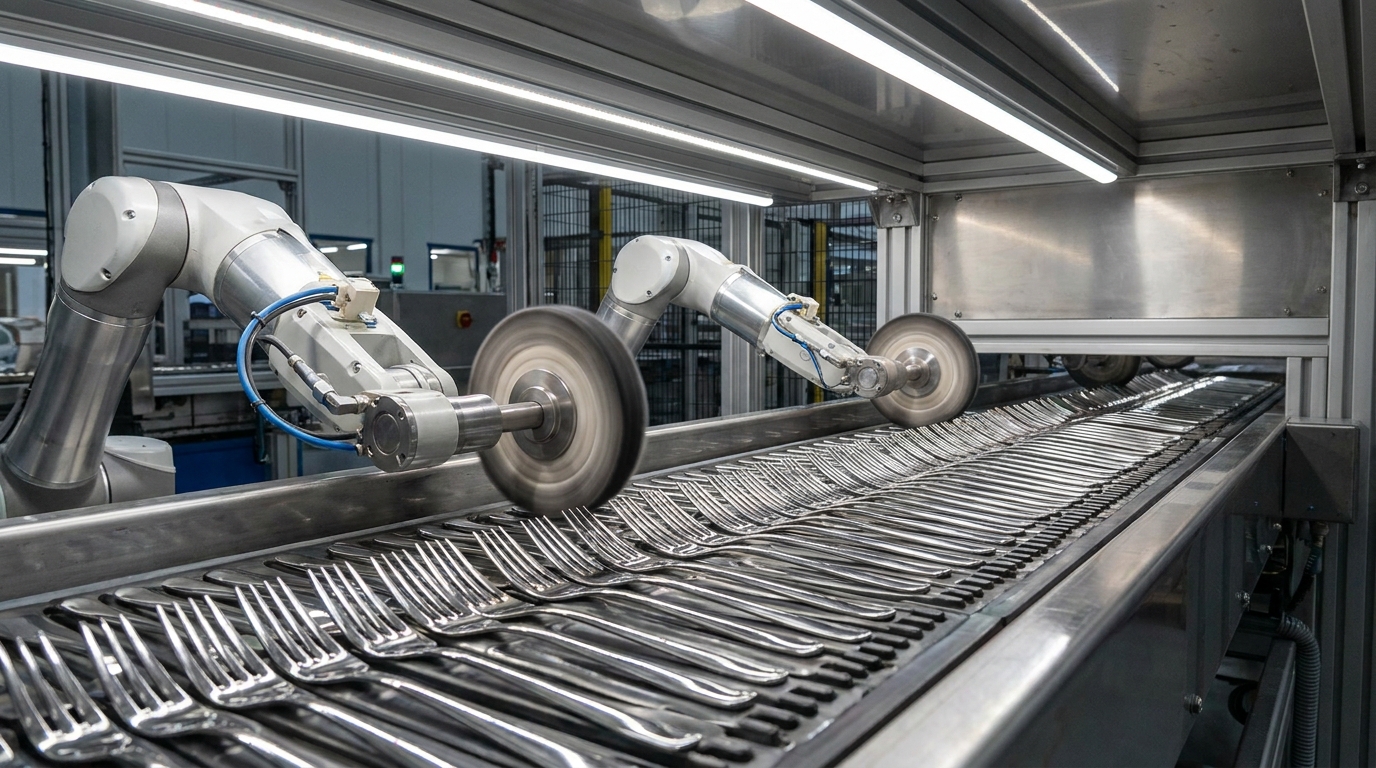
After hardening the knife blades and shaping the spoon bowls, the raw utensils still look rough. They have sharp edges and dull surfaces from the heavy machinery. The final stages of flatware manufacturing focus entirely on polishing and finishing.
This step is not just about making the metal shine. Polishing plays a critical role in food safety. A perfectly smooth surface prevents microscopic bacterial growth. It eliminates tiny crevices where food particles and moisture could hide.
The Polishing Process: From Tumbling to Buffing
First, mass-produced items undergo tumble polishing. The rough metal pieces go into large vibrating tubs filled with abrasive media. They tumble continuously for 6 to 24 hours. This long cycle effectively removes sharp burrs left from the blanking and trimming stages.
Next comes automated machine buffing. The utensils pass through multiple spinning polishing wheels. They start with coarse abrasives and gradually move to ultra-fine compounds. This multi-stage mechanical smoothing reveals the natural luster of the stainless steel.
Premium pieces require precise manual finishing. Skilled workers polish the hard-to-reach areas by hand. For example, high-quality forks are carefully polished exactly between the tines. Cheap forks often feel rough or sharp in those tiny gaps.
At Honry Kitchenware, our state-of-the-art facility ensures every piece meets strict global standards. We partner with international brands and foreign supermarkets who demand flawless execution. Thorough cleaning and ultrasonic degreasing follow the polishing stages. This removes any leftover polishing compounds before packaging.
Exploring Different Surface Finishes
Once the metal is perfectly smooth, it receives its final visual treatment. You can find several distinct finishes on the market today. Each style offers a unique aesthetic for different dining settings.
- Classic Mirror Polish: This creates a traditional, high-gloss look. It requires multiple rounds of buffing to achieve a highly reflective, silver-like shine.
- Matte or Satin Finish: This modern style features a soft, brushed appearance. It hides fingerprints and minor scratches beautifully.
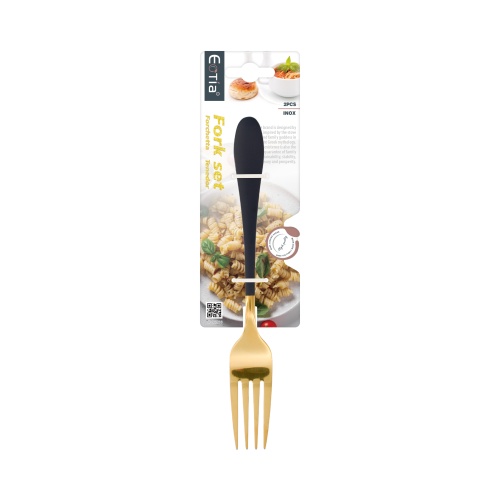
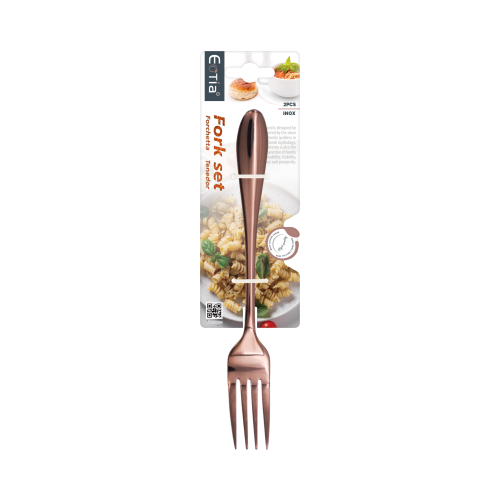
- PVD Color Coatings: PVD stands for Physical Vapor Deposition. Manufacturers use this advanced vacuum process to apply striking colors like gold, rose gold, or matte black. PVD is significantly more durable and scratch-resistant than traditional electroplating.
| Finish Type | Visual Appearance | Key Benefits | Best Application |
|---|---|---|---|
| Mirror Polish | High-gloss, highly reflective | Mimics real silver, easy to clean, classic elegance. | Formal dining and traditional settings. |
| Satin / Matte | Soft, brushed, non-reflective | Conceals fingerprints and daily wear scratches. | Everyday use and contemporary table designs. |
| PVD Coating | Vibrant colors (gold, black, copper) | Highly scratch-resistant, will not chip like cheap plating. | Trendy restaurants and modern home decor. |
Quality Control and Cleaning Procedures
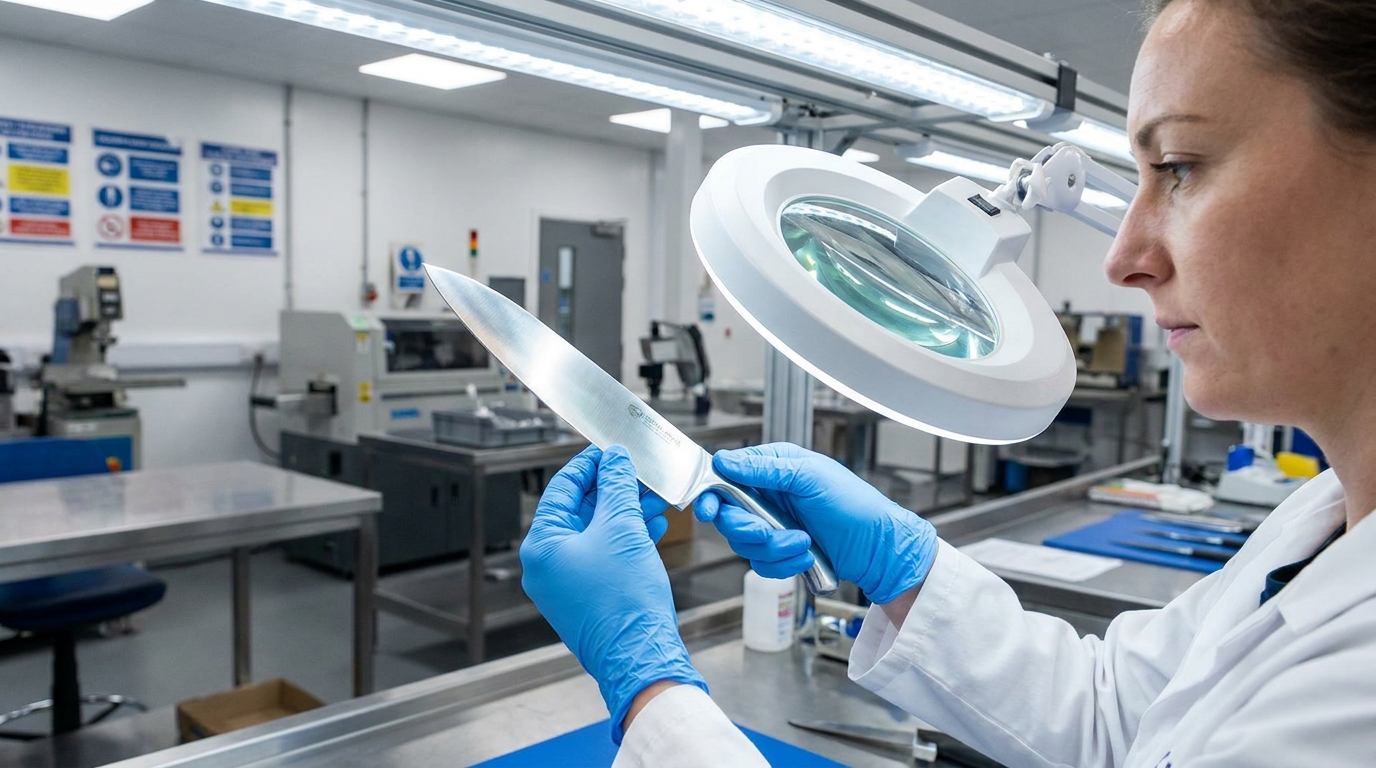
After applying those beautiful mirror, matte, or PVD finishes, the cutlery looks complete. However, the journey is not over yet. The manufacturing process involves heavy machinery and abrasive materials. Every piece requires thorough cleaning and rigorous inspection before it reaches your dining table.
Ultrasonic Cleaning for a Spotless Finish
The polishing stage leaves behind industrial oils, abrasive compounds, and fine metal dust. You cannot simply wipe these away. Factories use large ultrasonic cleaning tanks to achieve a spotless surface. Sound waves create microscopic bubbles in a specialized cleaning solution. These bubbles implode rapidly to scrub every tiny crevice. This action removes all residues completely. The utensils emerge perfectly clean and safe for daily food contact.
Strict Inspection Standards and Flawless Detailing
Clean cutlery moves straight to the quality control department. Inspectors examine each piece under bright, revealing lights. They verify the exact details we covered earlier. A premium set must feel flawless in your hand.
The quality control team follows a strict checklist for every production batch:
- Edge Smoothness: Checking for any remaining sharp edges around spoon bowls or knife handles.
- Tine Symmetry: Ensuring fork tines are perfectly aligned, evenly spaced, and fully polished inside the gaps.
- Surface Flaws: Inspecting the metal for tiny scratches, uneven polishing, or dull spots.
- Weight and Balance: Weighing random samples to guarantee a uniform feel across the entire set.
Ensuring Consistency Across Mass Production Batches
Making one perfect spoon is relatively easy. Making one million identical spoons requires strict oversight. Factories must ensure weight, thickness, and balance remain consistent across huge production runs. Quality control teams perform random sampling from every single batch. They also conduct salt spray tests. This verifies the actual corrosion resistance of the steel grades used.
At Honry Kitchenware, we take this consistency very seriously. Our state-of-the-art facility manages massive orders for foreign supermarkets and international brands. Serving over 80 countries means we must meet diverse global standards every day. Before any batch is cleared, our team verifies every technical specification.
Once the cutlery passes these strict inspections, it is finally ready for boxing. Our in-house design team provides customized packaging solutions tailored to specific client needs. This final step guarantees the products arrive safely and look stunning on retail shelves.
Custom Packaging Solutions for Global Markets
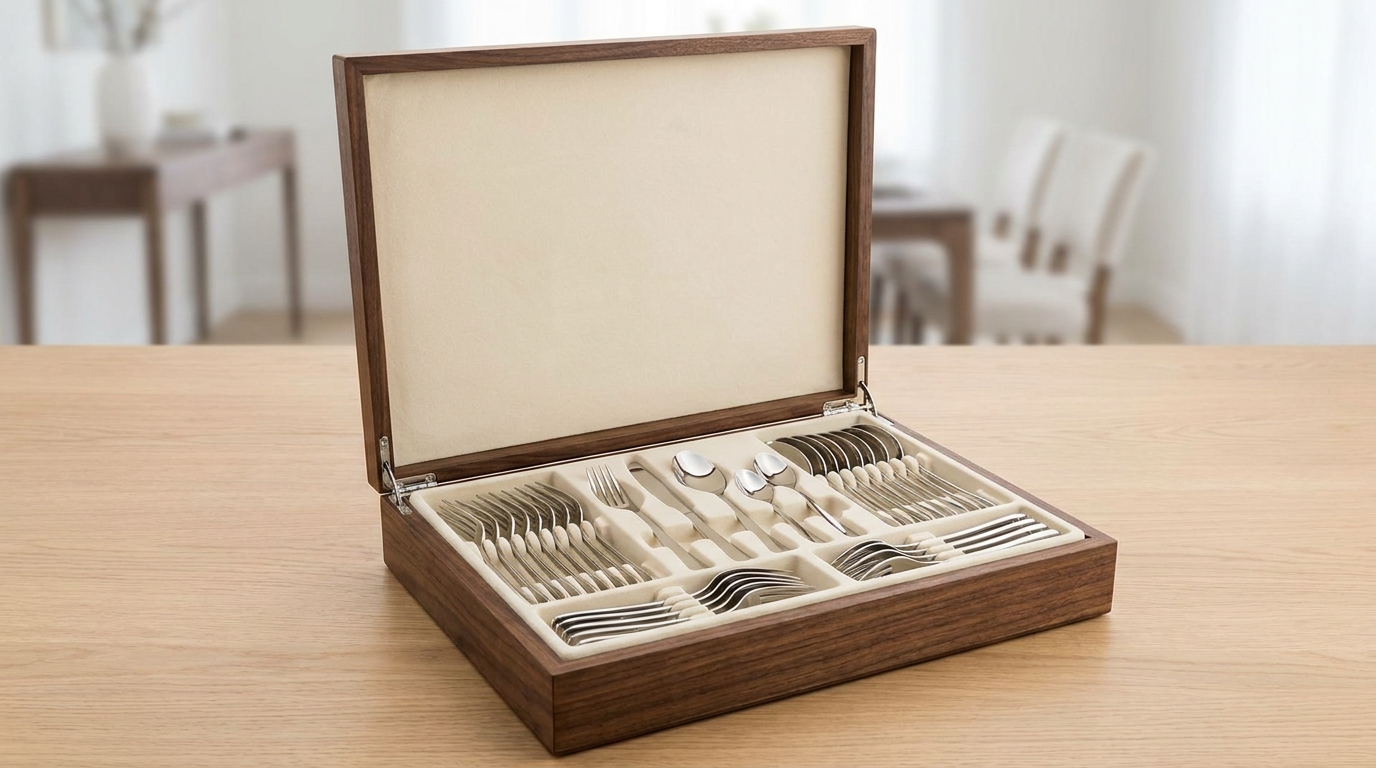
Passing strict quality control leads directly to the final boxing stage. Packaging represents much more than putting spoons into a box. It is a crucial final step in how stainless steel cutlery is manufactured. Proper packaging protects those flawless mirror and matte finishes during global transit. It also serves as the face of your brand on retail shelves.
Designing for Brand Identity and Safe Shipping
An experienced manufacturer understands this dual purpose perfectly. At Honry Kitchenware, we provide fully customized packaging solutions. Our dedicated in-house design team works directly alongside the production floor. This tight integration ensures the outer box matches the premium quality inside.
We supply international brands and foreign supermarkets across more than 80 countries. Each client requires unique retail presentations to stand out locally. A luxury dining set needs a completely different presentation than an everyday budget bundle. We tailor specific packaging formats to meet these exact retail demands.
Tailoring Packaging Formats for Different Retailers
You cannot use a single packaging style for every market. Different retail environments demand highly specific solutions. We design and produce several primary packaging types to satisfy global buyers.
| Packaging Format | Best Retail Environment | Key Advantages |
|---|---|---|
| Blister Packs | Foreign supermarkets | High product visibility, theft deterrence, easy pegboard hanging. |
| Color Boxes | Department stores | Vibrant visual impact, easy shelf stacking, ample space for brand storytelling. |
| Wooden Cases | Premium retail, gifting | Maximum transit protection, luxurious unboxing experience, reusable storage. |
Foreign supermarkets often prefer secure blister packs. These clear plastic shells let customers see the actual fork or spoon. They also deter theft in busy store aisles. High-end brands usually opt for elegant wooden cases. These sturdy cases offer maximum protection for heavy forged knife blades. They also provide a highly luxurious unboxing experience for the end consumer.
Vibrant color boxes work perfectly for standard department store sets. They stack easily on crowded shelves. They also give marketing teams plenty of space for printed brand messaging. By controlling this final step in-house, we guarantee every shipment arrives ready for immediate retail display.
Choosing the Right Flatware Factory for Your Brand
Getting your custom packaging right is the final step before retail display. However, beautiful boxes mean nothing if you choose the wrong manufacturing partner. Finding a reliable factory ensures your brand delivers consistent quality every single time. You need a supplier who masters every production stage we just explored.
Key Factors in a Manufacturing Partner
What exactly makes a great supplier? You should prioritize three main things. Look for state-of-the-art facilities, high production capacity, and proven export experience. A factory must handle massive orders without ignoring quality control. They need modern hydraulic presses and automated buffing machines. Export experience is equally vital. A seasoned partner knows how to navigate international shipping logistics and strict safety standards.
Evaluating Financial Stability and Scale
Financial stability heavily impacts supplier reliability. You want a partner capable of supporting your long-term business growth. A financially weak factory might cut corners on raw materials to save money. They could also delay your shipments due to cash flow problems.
Honry Kitchenware offers exceptional stability. Established in 2015, we operate as a prominent state-owned enterprise. We proudly sit under the Jiangsu Soho Textile Group Co. Ltd. umbrella. Our financial foundation is rock solid. We hold a registered capital of 20 million yuan. Furthermore, our total assets exceed 200 million yuan. This immense scale allows us to continuously upgrade our equipment. It guarantees we fulfill large orders for international brands smoothly.
The Peace of Mind of a Global Supplier
Working with a proven global supplier brings tremendous peace of mind. Honry Kitchenware successfully exports high-quality kitchen supplies to over 80 countries. We understand the specific demands of diverse foreign supermarkets. We know exactly what premium department stores expect.
Partnering with an experienced manufacturer eliminates stressful guesswork. We handle everything from sourcing premium steel coils to designing the final retail box. You can focus entirely on growing your brand. We handle the heavy lifting on the production floor.
| Evaluation Criteria | Why It Matters | The Honry Advantage |
|---|---|---|
| Financial Stability | Ensures the factory stays operational during massive production runs. | State-owned enterprise holding over 200 million yuan in total assets. |
| Production Capacity | Guarantees on-time delivery for large seasonal retail orders. | State-of-the-art facility built specifically for high-volume output. |
| Export Experience | Prevents frustrating customs delays and international compliance issues. | Active, successful exports to over 80 countries worldwide. |
| In-House Services | Speeds up the transition from raw production to retail shelves. | Dedicated in-house design team providing tailored packaging solutions. |
Conclusão
Crafting stainless steel cutlery demands intense precision from raw metal to final polish. Top materials and strict quality control guarantee durable utensils. Selecting a highly reliable flatware factory is vital for your brand. Partner with Honry Kitchenware to elevate your business today. We deliver premium production, custom packaging, and global export excellence.
- Download our latest flatware product catalog immediately.
- Schedule a custom packaging design consultation online.
- Email our global sales team for quotes.
Frequently Asked Questions About Stainless Steel Cutlery Manufacturing
Why does stainless steel cutlery sometimes rust?
Stainless steel can still rust under certain harsh conditions. High-heat drying or exposure to chlorides causes orange spots. Leaving flatware in lemon-based detergents can lead to pitting over time. Always avoid soaking your silverware for extended periods. Drying your cutlery quickly helps prevent this annoying rust.
What is the difference between 18/10 and 18/0 flatware?
These numbers describe the chromium and nickel percentages. The 18/10 grade contains 18 percent chromium and 10 percent nickel. This gives it high corrosion resistance and a silver-like luster. The 18/0 grade has no nickel, making it magnetic. It is more affordable but prone to staining over time. You can use a magnet to easily test the difference.
Why are table knife blades made differently from spoons?
Knife blades require a harder steel to stay sharp. Manufacturers often use 13/0 stainless steel for the blade part. This specific alloy allows for proper hardening and sharpening. Spoons and forks use softer steel that bends easily during production. High-end knives often feature a hollow handle welded to the blade. This design provides much better balance and cutting performance.
Why do some stainless steel sets cost much more than others?
The price difference usually comes down to materials and labor. Premium sets use 18/10 steel with higher nickel content. High-quality cutlery undergoes 25 to 35 distinct manufacturing stages. Cheaper sets skip important polishing steps to save money. For example, expensive forks are carefully polished between the tines. Cheap forks often feel rough or sharp in those gaps.
Can I get custom packaging for my bulk cutlery orders?
Yes, customized packaging is a great option for bulk buyers. Honry Kitchenware has a dedicated in-house design team. We provide tailored packaging solutions for international brands and supermarkets. This ensures you receive products perfectly suited to your specific needs. Serving over 80 countries, we specialize in high-quality kitchen supplies. Our team guarantees excellence in every customized order.
Producing stainless steel cutlery requires precision, heat, and careful polishing. Raw metal transforms into elegant flatware through blanking, rolling, and striking. The right alloy ensures lasting durability and a beautiful finish. Honry Kitchenware delivers exceptional kitchen supplies to over 80 countries. Our expert team crafts high-quality silverware tailored to your unique requirements.
- Test your current flatware with a simple magnet to check its nickel content.
- Inspect the gaps between your fork tines to evaluate the polishing quality.
- Wash your silverware promptly and dry it quickly to prevent pitting.
- Contact Honry Kitchenware to explore custom packaging options for your next order.