
 Italian
  English
  Japanese
  Russian
  Portuguese
  Spanish

Have you ever tasted metal during dinner?
Cheap utensils can actually leach harmful chemicals into your meals.
Food-grade stainless steel elevates basic metal into safe tableware.
This stops these hidden health risks.
In this post, you’ll learn about material composition.
We will explore safety standards to guide your choices.
What is Food-Grade Stainless Steel?
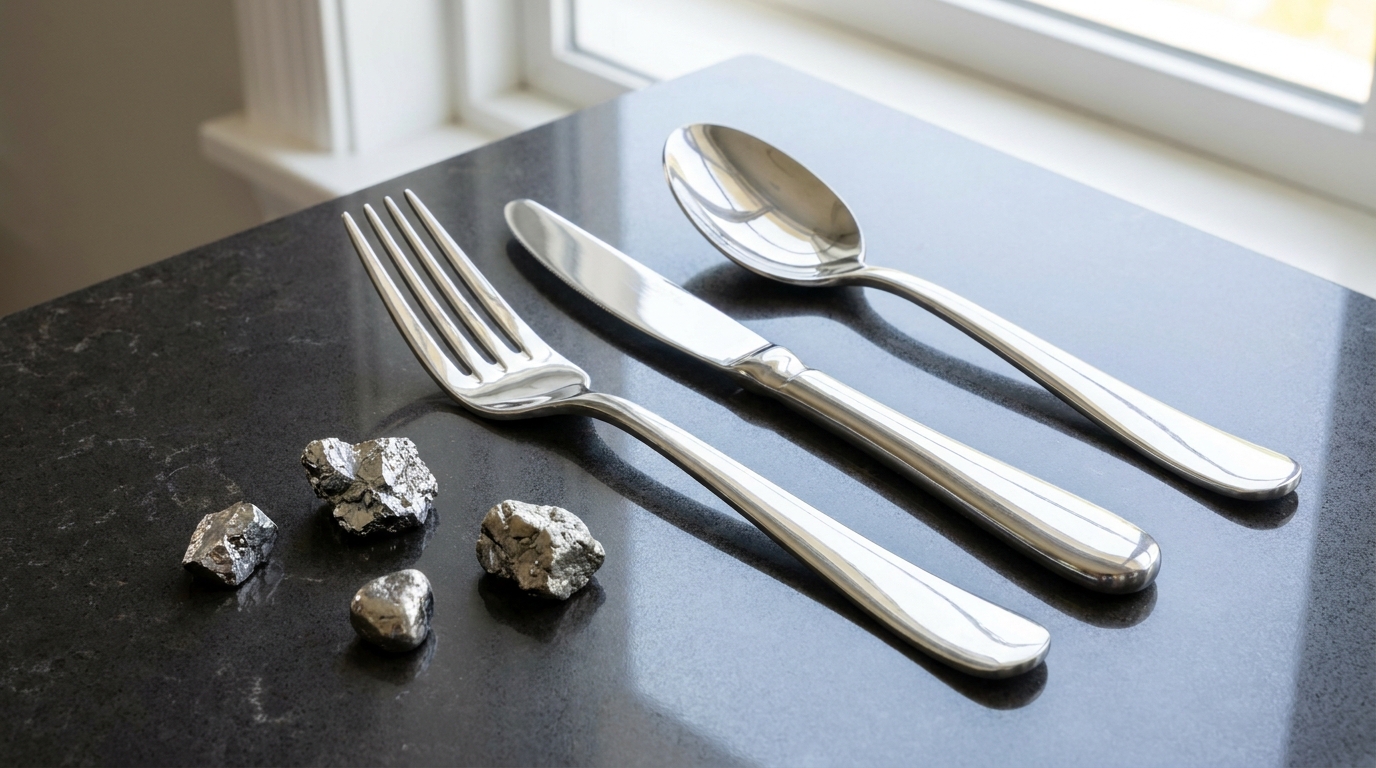
To understand those safety standards, we first need to look at the metal itself. Basic steel consists mostly of iron. Left unprotected, raw iron rusts very easily. Mixing different metals together creates a strong alloy. For food safe stainless steel cutlery, the main additions are chromium and nickel. These elements transform standard steel into a durable material. The exact ratio of these metals determines the specific grade. You often see numbers like 18/10 or 18/8 stamped on utensils. The first number shows the chromium percentage. The second number shows the nickel percentage.
The Power of the Passive Layer
Chromium plays a vital role in this process. A metal needs at least 10.5% chromium to earn the stainless label. This specific element performs an amazing chemical trick. It reacts instantly upon touching oxygen in the air. This reaction forms a microscopic shield on the metal surface. We call it a passive layer of chromium oxide. If you scratch your fork, this layer heals itself immediately. It blocks moisture and acids from reaching the vulnerable iron underneath. This self-healing shield prevents rust and pitting. It keeps your forks looking new after many dishwasher cycles.
Industrial Metal vs. Food-Grade Metal
Not all metal belongs in your mouth. Industrial-grade steel works great for construction or heavy machinery. However, it often lacks strict chemical limits for food contact. It might contain harmful impurities or dangerous heavy metals. These can leach into acidic meals like tomato sauce. In contrast, stainless steel tableware meets rigorous safety standards. It resists corrosion from food acids and harsh detergents. At Honry Kitchenware, we understand this critical distinction perfectly. Since 2015, we have exported premium kitchen supplies to over 80 countries. Our production facilities ensure every piece meets strict global safety requirements.
| Feature | Industrial-Grade Steel | Food-Grade Stainless Steel |
|---|---|---|
| Primary Use | Construction, machinery, tools | Cutlery, cookware, food prep |
| Corrosion Resistance | Varies based on application | High (resists acids and detergents) |
| Safety Standards | Structural integrity focused | FDA, LFGB, or NSF compliant |
| Surface Finish | Often rough or uncoated | Smooth, polished, non-porous |
The Science Behind Stainless Steel Cutlery Safety
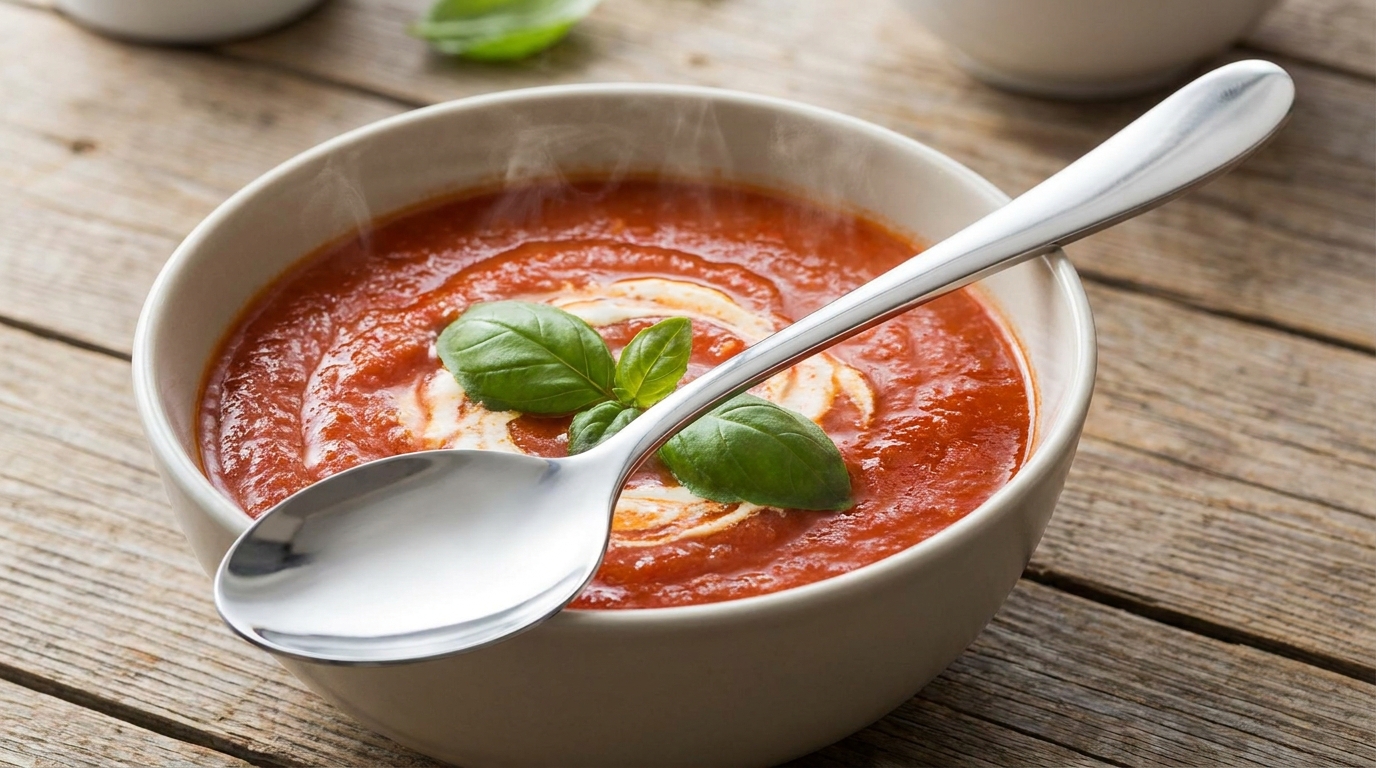
We just discussed how the passive layer protects your utensils from harsh detergents. Now, let’s explore how this microscopic shield impacts your daily meals. The science behind stainless steel cutlery safety goes beyond simple durability. It directly affects your health and the flavor of your food.
Eliminating Metallic Tastes and Chemical Leaching
Have you ever eaten tomato soup and noticed a bitter, metallic taste? Low-grade metal reacts chemically to acidic ingredients. This reaction leaches iron and other impurities into your bowl. High-quality food-grade alloys prevent this transfer completely. The stable chemical structure locks heavy metals inside the core. You taste only your dinner, never your fork.
- Non-reactive surfaces: Prevent flavor contamination during your meals.
- Stable molecular structure: Stops heavy metals from entering your daily diet.
- Thermal stability: Maintains safety even in boiling soups or hot drinks.
Stopping Rust and Bacterial Growth
Scratches and rust spots do more than ruin the look of your spoons. They create tiny hiding places for dangerous bacteria. This makes corrosion resistant stainless steel cutlery essential for kitchen hygiene. When cheap metal pits or corrodes, washing cannot remove all trapped food particles. The self-healing chromium oxide layer we mentioned earlier stops these pits from forming. Your utensils remain completely smooth and sanitary.
Surviving Highly Acidic Foods
Acidic foods like citrus, vinegar, and tomatoes test the limits of any kitchen tool. Strict testing ensures your forks and knives survive these harsh environments. Regulatory bodies measure how much metal transfers into these aggressive foods. Utensils must pass rigorous tests to earn food-safe certifications. At Honry Kitchenware, our state-of-the-art facility guarantees every piece meets these exact requirements. We partner with international brands across 80 countries. Our rigorous quality control ensures your tableware handles acidic ingredients safely.
| Food Exposure | Low-Grade Metal Reaction | Food-Grade Stainless Steel Reaction |
|---|---|---|
| Citrus & Tomatoes (High Acid) | Leaches metallic taste, creates surface pits | Remains neutral, surface stays completely smooth |
| Salt & Soy Sauce | Rapid localized rust (tea staining) | Resists corrosion, maintains original shine |
| Hot Soups (High Temp) | Warps or degrades protective coatings | Holds structural integrity safely |
Common Material Grades Used in Tableware
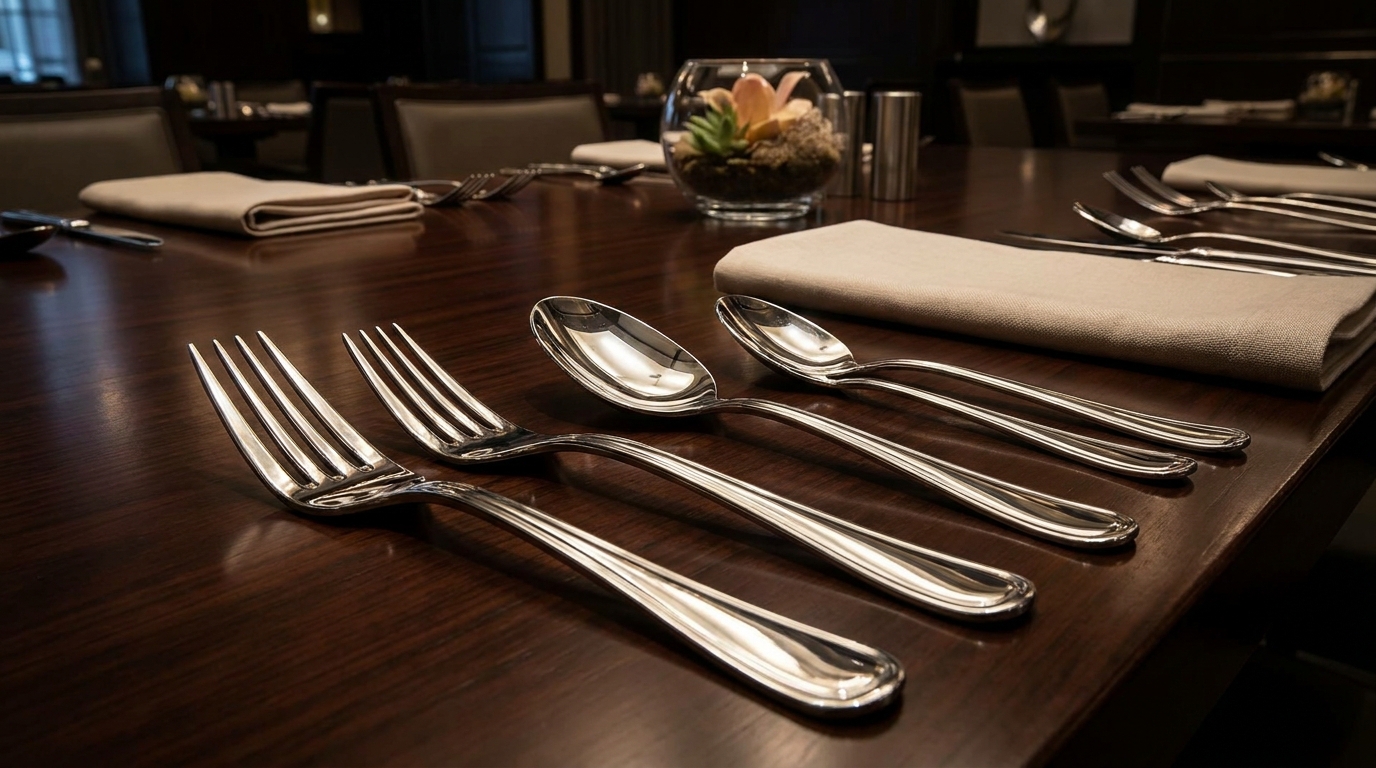
We just saw how premium alloys survive harsh kitchen environments and highly acidic foods. Not every metal achieves this level of protection. Manufacturers use specific formulas to create safe, durable utensils. You will often see numbers like 18/10 or 304 on product packaging. These numbers reveal exactly what you are putting in your mouth. Let’s break down the common material grades used in tableware today.
Understanding 304 Stainless Steel Cutlery
The 300 series represents the gold standard for kitchen applications. Within this family, 304 stainless steel cutlery stands out as the most common choice. You might know it better by its everyday name: 18/8. This label means it contains 18% chromium and 8% nickel. This specific blend offers excellent versatility for daily dining. It easily handles regular dishwasher cycles without losing structural integrity. At Honry Kitchenware, we frequently utilize this reliable grade. We rely on it to meet strict international safety standards. Our global partners across 80 countries trust this material daily.
The Premium Benefits of 18/10
If you want the absolute best, look for 18/10 stainless steel cutlery. This premium grade bumps the nickel content up to 10%. Why does this small increase matter? Extra nickel dramatically boosts overall rust resistance. It creates a much stronger defense against pitting. Salt and hard water cannot easily damage this surface. Furthermore, higher nickel gives utensils a brilliant, mirror-like polish. They keep their beautiful luster for years. Foreign supermarkets and international brands often request this specific grade. We provide customized packaging solutions for these premium collections.
Comparing the 300 Series to the 400 Series
Buyers must understand the difference between the 300 and 400 series. The 400 series includes budget grades like 18/0. It contains absolutely zero nickel, making it cheaper to produce. However, it rusts much faster in damp environments. You can actually test this difference at home. The 400 series is highly magnetic. If a magnet sticks strongly to your spoon, it is likely 18/0. The 300 series rejects magnets almost entirely. There is one important exception for your kitchen table. Knife blades require the 400 series, specifically grade 420. Manufacturers must heat-treat blades to make them hard enough to cut food. The 300 series cannot harden this way. A quality table setting uses 18/10 for forks and spoons. The same set uses 420 steel for the knives.
| Material Grade | Nickel Content | Magnetic Properties | Best Application |
|---|---|---|---|
| 18/10 (300 Series) | 10% | Non-magnetic | Premium forks and spoons |
| 18/8 (304 Grade) | 8% | Non-magnetic | Standard daily flatware |
| 18/0 (400 Series) | 0% | Highly magnetic | Budget utensils, allergy-friendly |
| 420 Grade | 0% | Highly magnetic | Hardened knife blades |
Global Certifications: Ensuring Your Cutlery is Safe
We just broke down specific material grades like 18/10 and 420 steel used for your forks and knives. But how do you actually know a manufacturer uses the right metal? You cannot see microscopic heavy metals. You cannot taste raw material purity until it is too late. This is exactly why food-grade stainless steel matters for cutlery. Independent testing bridges the gap between factory promises and your dinner table. Let’s look at the strict global certifications keeping your family safe.
Meeting North American FDA Standards
The North American market relies heavily on FDA regulations. When you buy FDA compliant stainless steel cutlery, the metal meets strict chemical limits. The Food and Drug Administration classifies specific alloys as Generally Recognized as Safe (GRAS). Inspectors test utensils to ensure chromium and nickel stay locked inside the core. They simulate long-term exposure to highly acidic foods. If the metal fails, it cannot enter the market. At Honry Kitchenware, our state-owned facilities strictly follow these testing protocols. We ensure our exports to North American clients remain perfectly safe.
Passing Strict European LFGB Tests
Europe pushes testing requirements even further. The European Framework Regulation sets extreme boundaries for food contact materials. Within Europe, the German LFGB standard acts as the ultimate benchmark. Producing LFGB stainless steel cutlery requires passing aggressive chemical extraction tests. Testers soak the metal in harsh acidic solutions for hours. They measure even the tiniest trace of heavy metal release. Earning this certification proves the raw material purity is absolute. Foreign supermarkets across Europe demand this exact certification. We proudly supply these international brands. Our company backs these premium products using total assets exceeding 200 million yuan.
Guaranteeing Raw Material Purity
International health and safety certifications check the final spoon. They also trace purity back to the raw materials. A reliable manufacturer must document their entire supply chain. Global rules prevent factories from sneaking cheap industrial scrap into the melting pot. These certifications look for specific safety markers:
- NSF International: Focuses on commercial sanitation and smooth, non-porous surfaces.
- FDA GRAS: Ensures alloys will not leach toxins into daily meals.
- LFGB: Applies the strictest chemical extraction limits globally.
| Certification | Primary Region | Key Testing Focus | Purity Guarantee |
|---|---|---|---|
| FDA (GRAS) | North America | General chemical stability | Prevents standard heavy metal leaching |
| LFGB | Europe (Germany) | Aggressive acid extraction | Ensures zero toxic transfer under extreme conditions |
| NSF | Global (Commercial) | Surface hygiene | Verifies the metal resists bacterial buildup |
Why Food-Grade Stainless Steel Matters for Cutlery Durability and Maintenance
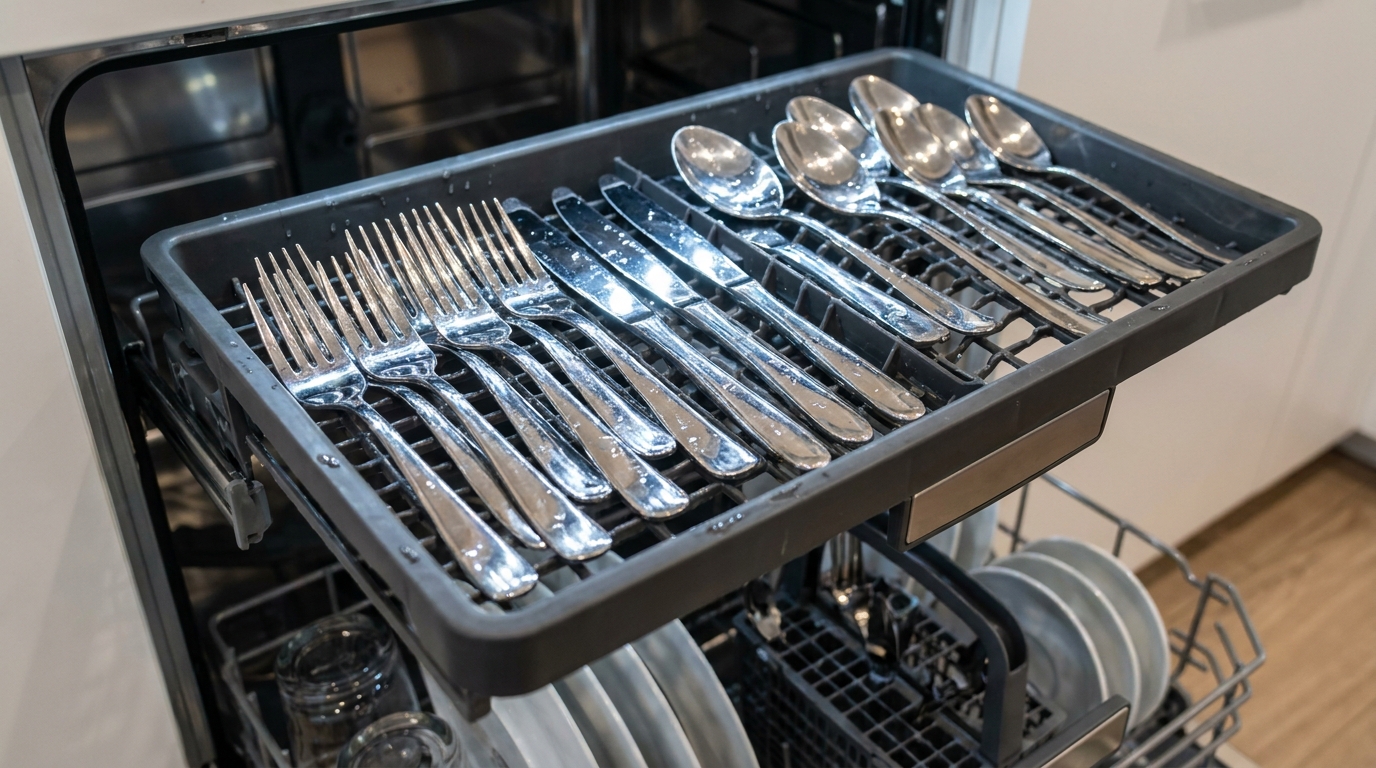
We just looked at how strict global certifications guarantee raw material purity. Those testing standards keep you safe from harmful chemicals. However, pure materials also deliver incredible physical strength. This brings us to another critical reason why food-grade stainless steel matters for cutlery. It directly impacts how long your utensils actually last. Let’s explore how these premium metals handle daily wear, intense cleaning, and long-term use.
Preventing Bends and Scratches
Cheap metal bends easily when you scoop hard ice cream. It scratches quickly during normal meals. Food-grade alloys solve these annoying problems completely. The specific mix of chromium and nickel creates a highly durable core. This strength prevents warping under pressure. Manufacturers grade utensils by weight to indicate durability. Medium-weight pieces feel lighter and bend more easily. Heavy and extra-heavy pieces resist structural damage entirely. At Honry Kitchenware, a leading stainless steel flatware manufacturer, we produce heavy-duty pieces designed for daily use. Our state-of-the-art facility ensures every spoon and fork maintains its original shape. They survive heavy impacts and resist deep surface scratches.
Surviving the Dishwasher
Nobody wants to hand-wash dishes after a large dinner party. You need utensils built for modern dishwashers. As we covered earlier, the chromium oxide layer acts as a microscopic shield. This shield proves essential during intense cleaning cycles. Dishwashers blast your plates using scalding water and harsh detergents. Low-grade metals develop flash rust spots or a cloudy, rainbow tint. Premium food-grade alloys easily withstand these aggressive conditions. Grade 304 steel maintains its integrity at extremely high temperatures. It resists pitting and chemical damage completely. Your forks emerge from the wash retaining their brilliant, mirror-like shine.
Here are simple ways to maintain this brilliant finish:
- Avoid soaking items for long periods before washing.
- Skip citrus-based detergents to prevent surface degradation.
- Separate silver-plated items from your stainless pieces during cycles.
- Hand-dry immediately after washing to stop hard water spots.
Saving Money in the Long Run
Buying cheap utensils seems like a smart way to save money initially. However, budget metals rust, bend, and degrade very quickly. You end up replacing them every few years. Investing in premium materials proves much more cost-effective over time. High-quality pieces survive decades of daily dining without losing their appeal. This durability matters immensely for both busy households and commercial restaurants. Restaurants cannot afford to replace tarnished spoons constantly. They need reliable tools. As an experienced stainless steel cutlery supplier, we export robust kitchen solutions to over 80 countries. We help international brands deliver long-lasting value to their customers.
| Performance Metric | Budget Metal (18/0 or lower) | Food-Grade Stainless Steel (18/10) |
|---|---|---|
| Structural Strength | Bends easily under moderate pressure | Resists warping and heavy impacts |
| Dishwasher Safety | Prone to rust spots and cloudiness | Maintains shine through intense cycles |
| Replacement Frequency | High (needs replacing every few years) | Low (lasts for decades) |
| Long-Term Value | Poor (frequent repurchasing required) | Excellent (one-time household investment) |
Choosing the Right Stainless Steel Flatware Manufacturer
We just discussed how premium materials save you money by surviving decades of daily use. Finding these durable products requires looking beyond the metal itself. You must examine who actually makes them. Choosing the right partner guarantees your utensils meet strict safety standards. It ensures they perform perfectly in busy kitchens. Let’s explore what makes a reliable production partner stand out in today’s global market.
What to Look for in a Reliable Partner
Not all factories operate under the same strict guidelines. When sourcing food grade stainless steel cutlery, you need total material transparency. A trustworthy manufacturer provides clear documentation for their raw materials. They prove their metal contains the exact chromium and nickel levels promised. Production capacity also plays a massive role. Factories must handle large orders without sacrificing detail or quality. Finally, global reach shows true industry expertise. A company exporting worldwide already understands complex international regulations. They know exactly how to pass rigorous FDA and LFGB tests.
The Benefits of Custom OEM Solutions
Brands often need unique shapes, weights, or finishes. This makes finding an experienced OEM stainless steel cutlery provider incredibly valuable. A strong OEM partner adapts to your specific market demands. They transform a basic concept into a fully realized product line. You get customized solutions perfectly aligned to your brand identity. They handle the complex engineering required for perfect weight distribution. They also manage the precise heat treatments needed for hardened knife blades.
Manufacturing Excellence at Honry Kitchenware
We understand these strict manufacturing requirements perfectly. Honry Kitchenware operates as a prominent state-owned enterprise. We proudly operate under the Jiangsu Soho Textile Group Co. Ltd. Established in 2015, our company has expanded its production capacity rapidly. We built a state-of-the-art facility designed for absolute precision. Our financial stability guarantees consistent quality for every order. We hold a registered capital of 20 million yuan. Our total assets exceed 200 million yuan. This strong foundation allows us to partner confidently with international brands and foreign supermarkets. Today, we export our premium kitchen supplies to over 80 countries.
Delivering Complete Packaging Solutions
A great product needs equally impressive presentation. We do not just manufacture the metal. We also operate a dedicated in-house design team. They provide customized packaging solutions for our global clients. They tailor every box and display to meet specific retail needs. This comprehensive approach ensures products arrive ready for store shelves. It helps international brands capture customer attention immediately.
| Manufacturer Feature | Standard Factory | Premium Partner (Honry Kitchenware) |
|---|---|---|
| Material Transparency | Often lacks raw material documentation | Guarantees exact chromium and nickel ratios |
| Production Capacity | Struggles during peak order seasons | Backed by assets exceeding 200 million yuan |
| Customization | Offers only basic off-the-shelf designs | Provides full OEM and custom packaging solutions |
| Global Reach | Limited to local or regional markets | Exports safely to over 80 countries |
Conclusione
Food-grade stainless steel ensures your cutlery remains safe, durable, and healthy. Using certified, corrosion-resistant tableware brings daily peace of mind. International brands should partner with trusted manufacturers for guaranteed safety. Honry Kitchenware delivers customized excellence for global supermarkets.
- Check your current flatware for FDA or LFGB certifications.
- Upgrade outdated utensils to premium 18/10 stainless steel products.
- Contact Honry Kitchenware to discuss custom packaging solutions today.
Frequently Asked Questions About Food-Grade Stainless Steel Cutlery
Why does stainless steel cutlery sometimes get rust spots?
Even high-quality food-grade stainless steel can develop tiny rust spots. This usually happens in the dishwasher. Flash rust transfers from other non-stainless items during the wash cycle. Leaving wet cutlery in contact with salt or acidic foods causes pitting corrosion. To prevent this issue, rinse your utensils before washing them. Hand-drying your flatware immediately also stops hard water spots. You can easily wipe away minor rust with a soft cloth.
How can I test the quality of my stainless steel flatware?
You can easily check your flatware using a simple magnet test. Premium 18/10 stainless steel contains nickel. This specific metal makes the cutlery non-magnetic and highly resistant to rust. If a magnet sticks firmly to your spoon, it is likely 18/0 grade. This lower grade lacks nickel and rusts much faster. Reputable manufacturers always use premium steel for their forks and spoons. Honry Kitchenware ensures top-tier quality for clients across 80 different countries.
Why do stainless steel knives rust faster than forks?
Forks and spoons usually use 300 series stainless steel. This grade resists corrosion beautifully but is too soft for cutting. Knives require a harder metal to keep a sharp edge. Manufacturers use 400 series steel for knife blades. This high-carbon material achieves the perfect hardness for slicing food. However, this specific steel has lower rust resistance. You should wash and dry your knives quickly to protect their sharp edges.
Is it safe to eat acidic foods with stainless steel spoons?
High-quality food-grade stainless steel is incredibly safe for daily meals. Premium 18/10 steel will not react with tomatoes or citrus fruits. Lower grades might leave a strange metallic taste in your mouth. Acidic ingredients can slowly break down cheap metal over time. You should always choose trusted brands for your kitchen supplies. Honry Kitchenware produces safe and durable products for international supermarkets. Safe materials ensure your family enjoys every single meal.
Can people with nickel allergies use stainless steel cutlery?
Yes, people with nickel allergies can safely use specific stainless steel. You should look for 18/0 grade flatware when shopping. This unique material contains 18 percent chromium and zero percent nickel. It provides a safe dining experience for sensitive users. Keep in mind that 18/0 steel needs a little more care. You must dry these utensils quickly to prevent unwanted rust spots. Always check the packaging labels before buying new kitchen supplies.
- Inspect your current flatware with a magnet to determine its quality.
- Wash and hand-dry your knives immediately after every single use.
- Contact Honry Kitchenware to explore custom packaging solutions for your brand.
- Upgrade your dining set to premium 18/10 steel for better longevity.
Food-grade stainless steel ensures your cutlery remains durable, safe, and beautiful. Premium grades like 18/10 resist rust and prevent metallic tastes. Knives use harder steel to maintain sharp edges during meal prep. Proper care keeps your utensils shining for many years. Honry Kitchenware delivers exceptional quality products to global markets. Choosing the right steel grade guarantees a perfect dining experience.