
 Spanish
  English
  Japanese
  Russian
  Portuguese
  Italian
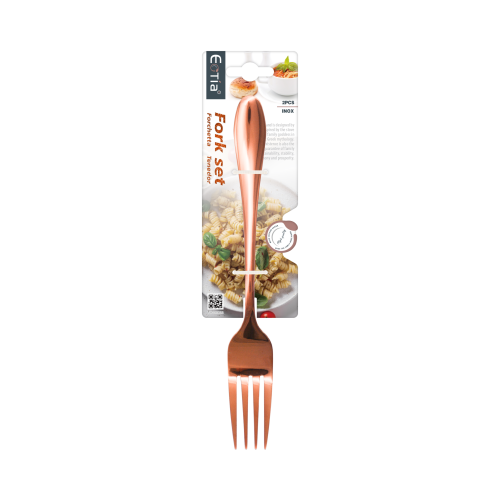
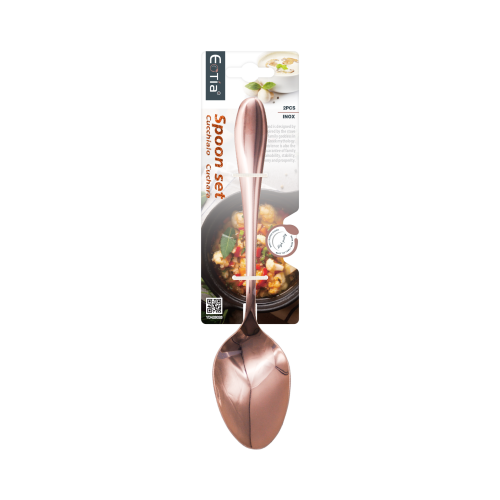
Acquiring long-lasting flatware—whether for a luxury residential portfolio or commercial hospitality scale—goes far beyond surface-level aesthetics. Reliability hinges strictly on metallurgical grades, weight classifications, and manufacturing precision. High replacement cycles caused by rusting, pitting, bending, and poor ergonomic balance plague buyers who select products based solely on subjective polish or initial purchase costs. These oversights result in compounding losses in Total Cost of Ownership (TCO) as operators continuously replace degraded inventory. You must rely on an engineering-first framework for navigating alloys, fabrication methods, sensorial evaluation, and vendor verification. Implementing this framework ensures a risk-free investment from the factory floor to the final table setting, particularly when sourcing bulk Stainless Steel Cutlery for high-volume environments.
- Alloy Standards Dictate Longevity: A thorough understanding of nickel and chromium ratios—specifically why cutlery stainless steel 18/10 offers peak corrosion resistance over cheaper alternatives—is the baseline for reliability.
- Construction & Weight Impact End-Use Realities: The manufacturing shift from basic stamping to calibrated forging, combined with industry weight classifications, inherently alters tensile strength, ergonomics, and aesthetic retention in commercial dishwashers.
- Supply Chain & Partner Capabilities Matter: Partnering with a vertically integrated stainless steel cutlery manufacturer mitigates design-to-delivery bottlenecks through internal customization, precise QA testing, and holistic packaging infrastructure.
Assessing Metallurgical Grading: Decoding Steel Alloys
Steel grading directly dictates structural longevity and operational lifespan. The chemistry of corrosion resistance relies on specific alloy additions blended during the initial smelting process. Chromium provides the primary defense mechanism against ambient deterioration. When steel contains at least 10.5% chromium, it creates a microscopic, self-healing oxide layer on the metal surface. This passive layer actively prevents ambient oxygen and moisture from triggering oxidation (rust). Nickel serves a different but equally necessary purpose. It imparts high resistance to localized pitting and chemical attacks. Nickel also stabilizes the internal austenitic structure of the metal. This metallurgical stabilization produces the bright, silver-like luster that consumers associate with premium dining experiences.
Why Cutlery Stainless Steel 18/10 is the Industry Benchmark
Premium flatware relies on precise elemental ratios to survive daily mechanical abuse. The 18/10 designation indicates a composition containing 18% chromium and exactly 10% nickel. This specific composite breakdown provides maximum defense against chemical degradation. It withstands prolonged exposure to boiling water, caustic detergents, and physical friction without losing structural integrity. The 10% nickel content increases the overall physical density of the substrate, preventing microscopic abrasions from trapping food particles and bacteria.
We must compare this benchmark against the lesser 18/0 variant. Manufacturers frequently sell 18/0 items to unsuspecting buyers looking to cut upfront capital expenditures. This nickel-free alternative suffers from rapid visual dulling after just a few dozen wash cycles. Lacking nickel, the metal possesses no chemical defense against highly acidic dining environments. A standard 18/0 fork typically exhibits microscopic rust spotting within months of deployment. Meanwhile, the 18/10 alloy maintains its polished surface and structural density for decades, completely neutralizing the initial cost savings of cheaper variants.
Equivalency Frameworks: Evaluating 304 Stainless Steel Cutlery
Industrial material naming conventions often confuse procurement teams. Food-grade “Type 304” represents the broader SAE (Society of Automotive Engineers) classification for premium austenitic steel. In the hospitality sector, this classification translates precisely to the 18/8 and 18/10 retail designations. Specifying 304 stainless steel cutlery guarantees top-tier metallurgical performance and completely eliminates the risk of receiving low-grade ferritic steel (like Type 430).
Adopting 304 grade materials requires strict operational success criteria. The selected flatware must exhibit total resistance to harsh acidic food exposure. Ingredients like tomatoes, citruses, and vinegars contain acids that rapidly dissolve the protective oxide layer on inferior metals. Type 304 withstands these chemical attacks effortlessly. It also tolerates highly abrasive industrial detergent protocols. Commercial dishwashing machines rely on high-alkaline chemicals and extreme heat to sanitize equipment. Type 304 maintains its passive protective layer despite continuous thermal and chemical stress.
Real-World Maintenance: Hard Water and Pitting Vulnerabilities
Even premium alloys face severe environmental challenges if maintenance protocols fail. Mineral-heavy hard water acts as a persistent abrasive agent on metal surfaces. Water containing high parts-per-million (PPM) of calcium and magnesium leaves microscopic deposits as it evaporates. Over time, these mineral deposits compromise the chromium oxide layer, causing irreversible micro-pitting. Acidic food residues left on the metal for extended periods compound this localized deterioration.
You must implement strict pre-soaking and drying protocols to protect your inventory. Ignoring standard maintenance procedures compromises even the highest quality steel. Never leave flatware submerged in harsh chemical sanitizers or bleach solutions overnight. Ensure rapid, high-heat drying cycles immediately after mechanical washing. Removing moisture quickly prevents mineral deposits from calcifying on the surface. Adhering strictly to these handling procedures extends the lifecycle of your hardware indefinitely.
Evaluation Dimensions: Construction, Ergonomics, and Quality Assurance
Material grade provides the chemical foundation, but manufacturing techniques determine the final physical application. The structural difference between a fragile utensil and a durable implement lies entirely in fabrication methodology and weight distribution.
Fabrication Tolerances: Forged vs. Stamped Implementations
Stamped fabrication relies on automated flat-stock cutline methods. Massive mechanical presses punch two-dimensional utensil shapes directly from continuous, unheated steel coils. Operators then roll the pieces to add slight curves before polishing. This highly cost-effective method suits high-volume, low-margin deployments like institutional cafeterias or economy transport catering. However, stamped items carry inherent structural weaknesses. Because the metal retains its original uniform thickness, the neck of the utensil bends easily under applied force. Attempting to scoop hard frozen desserts or cutting dense proteins often warps stamped flatware permanently.
Drop forged excellence represents the absolute premium manufacturing standard. This complex protocol transforms raw material density through thermal manipulation.
- Heating:Factories heat solid cylindrical steel rods to extreme temperatures exceeding 1000°C until glowing red.
- Pressurizing:Heavy drop-hammers smash the heated steel into precision-cut molds under hundreds of tons of pressure.
- Trimming:Technicians trim excess flash material from the edges of the newly formed three-dimensional shape.
- Tempering:The metal cools at a controlled rate to align the internal grain structure, maximizing tensile strength.
This protocol allows manufacturers to vary the thickness of the metal throughout the piece. It enables complex, three-dimensional handle designs and provides perfectly calibrated tactile weighting. A properly forged utensil will never bend during normal dining applications.
Industry Weight Classifications
Commercial grading standards divide flatware strictly by physical mass and metal thickness. Procurement teams must match the appropriate weight class to the specific operational venue to maximize ROI.
| Weight Classification | Physical Characteristics & Thickness | Ideal Operational Venue |
| Medium Weight | Lighter mass, stamped construction, typically 1.5mm to 1.8mm thick. Prone to bending under moderate force. | High-turnover casual dining, quick-service restaurants, cafeterias, high-loss environments. |
| Heavy Weight | Balanced density, 2.0mm to 2.5mm thick. Resists bending, offers a comfortable and substantial hand-feel. | Standard full-service restaurants, mid-tier retail sets, standard catering operations. |
| Extra-Heavy Weight | Maximum density, often forged, 3.0mm to 4.0mm+ thick. Exceptional tactile presence and impossible to bend by hand. | Premium steakhouses, luxury hospitality, fine dining, high-end retail portfolios. |
Ergonomics, Balance, and the Sensorial Experience
Tactile balance dictates the end-user’s perceived value of the product. Weight distribution between the handle and the utensil head matters immensely during a prolonged meal. A top-heavy fork causes user fatigue and feels cheap. A back-heavy knife frequently slips off the edge of a dining plate. The fulcrum point—the exact center of gravity—must rest precisely where the user’s index finger grips the item.
Mouthfeel and cutting precision separate average sets from superior culinary tools. Spoon bowls demand absolute edge smoothness; factories must tumble and buff the edges to eliminate micro-burrs. Rough edges irritate the user’s mouth and trap dangerous bacteria. Fork tines require dedicated internal polishing between each prong to ensure safe and hygienic usage. Knives require careful blade engineering. Micro-serrated blades tear through tough proteins efficiently without requiring frequent sharpening. Non-serrated, hollow-handle blades offer cleaner, precise cuts for softer foods but require routine edge maintenance to prevent dulling.
Micro-Inspections and Aesthetic Treatments
Surface finishing techniques define the final visual appeal and maintenance requirements. Standard tumbling utilizes ceramic media to achieve a matte, industrial appearance that hides scratches well. Machine polishing uses automated sisal wheels to provide a standard retail gloss. Hand mirror finishing requires skilled technicians to buff the steel until it achieves flawless, reflective luxury, though this finish highlights water spots easily.
Secondary aesthetic coatings carry distinct operational vulnerabilities. Electroplating and PVD (Physical Vapor Deposition) treatments add gold, matte black, rose gold, or copper hues to the base steel. You must conduct strict risk evaluations on these treatments before bulk purchasing. High-heat friction in commercial dishwashers degrades low-quality coatings rapidly, causing them to flake into food. Hard-water spotting becomes highly visible on dark PVD finishes. Ensure your supplier applies commercial-grade titanium nitride PVD layers in a vacuum chamber to guarantee adherence longevity against chemical stress.
Configuration and Set Composition Standards
Standardizing your physical inventory requires precise configuration planning. You must align the physical dimensions of the flatware with your target market expectations and table proportions.
Structuring a Stainless Steel Cutlery Set
Regional dining habits dictate rigid dimensional requirements. The physical footprint of a utensil varies drastically depending on geographic deployment. American table forks typically feature larger tines and longer overall handles, generally exceeding 200mm in length. European sizing leans toward slightly smaller, wider profiles, emphasizing proportion over sheer length. Soup spoons demonstrate the most significant variance. The American bouillon spoon utilizes a smaller, perfectly round bowl. The European cream soup spoon features an elongated, deeper oval bowl to accommodate different culinary traditions. You must carefully match the exact mm specifications of your juego de cubiertos de acero inoxidable to your specific regional audience.
Retail vs. Commercial Configurations
Packaging and set groupings differ entirely based on end-use applications. Retail configurations focus strictly on the end consumer’s home dining needs. A standard 5-piece individual place setting includes a dinner fork, salad fork, dinner knife, soup spoon, and teaspoon. Retail brands bundle these into 20-piece boxes designed for four diners, optimizing the unboxing experience with display windows and velvet inserts.
Commercial configurations completely ignore consumer bundling. Hospitality operators purchase raw inventory sorted by the dozen in bulk master cartons. Restaurants require highly disproportionate ratios of items. Waitstaff lose teaspoons and salad forks at three times the rate of dinner knives. Bulk purchasing allows operators to restock isolated inventory gaps efficiently without purchasing unnecessary components.
Sourcing the Right Stainless Steel Cutlery Manufacturer
Your supply chain partner entirely dictates your product consistency. Selecting the wrong factory leads to substituted alloys, inconsistent polishing, and critical shipping delays.
Strategic Criteria for B2B Evaluation and Scalability
Supplier evaluation must center on consolidated efficiency and verifiable compliance. Vendor-bloat introduces massive logistical risks. Managing ten different factories for various kitchen supplies causes communication breakdowns and uneven quality control. You should leverage a one-stop sourcing service provider capable of handling full-scale kitchen provisioning. Consolidating your vendor list streamlines your procurement cycle and secures better bulk freight rates.
Demand strict compliance validations before transferring any funds. Verify their raw material sourcing documentation, specifically requesting Material Test Certificates (MTC) for the raw steel coils. Request independent metallurgical testing reports from agencies like SGS or Intertek. Ensure the factory holds current ISO 9001:2015 certifications for quality management. These verifiable documents prove the factory possesses the infrastructure to deliver consistent 18/10 steel without secretly substituting cheaper 18/0 alternatives during mass production runs.
Evaluating OEM Stainless Steel Cutlery Capabilities
Off-the-shelf bulk buys work for basic, low-budget operations. True brand differentiation requires custom mold engineering and proprietary aesthetics. Agile prototyping allows procurement teams to test physical samples rapidly before committing to massive production volumes. A highly capable OEM stainless steel cutlery provider utilizes 3D CAD modeling to transform two-dimensional concept sketches into physical steel molds within a matter of weeks.
Suppliers operating with a dedicated internal design team offer a massive tactical advantage. In-house design integration significantly reduces the back-and-forth iteration timeframe. Internal engineers understand metallurgical limitations instinctively. They will actively adjust your proprietary aesthetics to ensure the molten metal flows correctly during the drop-forging process. This engineering intervention prevents structural weak points and guarantees the final product meets commercial stress tolerances.
Conclusión
Sourcing failures directly stem from ambiguous material understanding and lax vendor vetting. Allowing purchasing decisions to rely solely on initial price points guarantees rapid product degradation and brand damage. You must execute a strict procurement strategy to secure inventory that survives the realities of commercial usage.
Guide your procurement through a rigid hierarchical funnel. Filter your options first by raw alloy specification, insisting on precise 18/10 or 304 grade thresholds. Next, evaluate physical forging methods and demand extra-heavy weight classifications for premium environments. Finally, confirm your selection through comprehensive, third-party vendor assessment and physical stress testing.
Take the following actions to secure a resilient, high-quality flatware supply chain:
- Request detailed product design catalogues and raw material certifications from vetted, vertically integrated manufacturers.
- Utilize the supplier’s in-house 3D modeling services to test your custom ergonomic profiles and proprietary handle designs.
- Order physical pre-production samples and subject them to 50+ cycles in a commercial dishwasher to verify alloy integrity.
- Audit the vendor’s logistics capabilities to ensure they provide ISTA-compliant packaging that prevents transit micro-scratching.
PREGUNTAS FRECUENTES
Q: What is the practical difference between 18/10 and 18/0 in a commercial environment?
A: The 18/10 alloy contains 10% nickel, providing exceptional resistance to rust, pitting, and bending. It maintains a bright, reflective finish despite thousands of heavy wash cycles. The 18/0 alloy lacks nickel entirely. It dulls quickly, lacks structural density, and rapidly develops rust spots when exposed to acidic foods or high-moisture commercial environments.
Q: Does all 304 stainless steel cutlery remain immune to rust permanently?
A: No steel is completely immune to rust under extreme abuse. Type 304 offers peak corrosion resistance, but severe neglect damages it. Prolonged exposure to hard water, undiluted bleach, or baked-on acidic residues can strip the chromium oxide layer. Proper rinsing and immediate heat-drying maintain the protective barrier indefinitely.
Q: How do commercial weight classifications impact flatware durability?
A: Weight classifications directly dictate metal thickness and physical endurance. Medium-weight items are stamped and thin, making them prone to bending under heavy force. Extra-heavy weight items utilize thick, forged steel that physically resists warping. Heavier classes endure aggressive commercial handling, dropping, and high-pressure washing without losing their original shape.
Q: Why do water spots form on premium stainless steel, and how can they be prevented?
A: Water spots form when mineral-heavy hard water evaporates, leaving calcium and magnesium deposits on the metal surface. These spots are not rust but cause long-term micro-pitting if ignored. Prevent them by installing facility water softeners, employing commercial rinse aids, and drying flatware immediately after the wash cycle completes.
Q: How can I verify the material authenticity from a stainless steel cutlery manufacturer?
A: Demand third-party metallurgical testing reports from agencies like SGS before mass production begins. Request the factory’s raw material Material Test Certificates (MTC). Additionally, send physical pre-production samples to an independent laboratory for Positive Material Identification (PMI) testing to confirm exact chromium and nickel percentages.
Q: What makes a stainless steel cutlery set viable for high-volume mechanical dishwashing?
A: Viability requires a combination of 18/10 (Type 304) metallurgy to resist high-alkaline detergents, extra-heavy forging to withstand physical impacts inside the wash rack, and flawless edge polishing. Sets with deep grooves or poorly applied PVD coatings will trap bacteria and flake off under high-heat commercial spray jets.
Q: Why is choosing an OEM stainless steel cutlery provider critical for brand localization?
A: An OEM provider allows you to customize structural designs, handle ergonomics, and precise dimensional sizing to fit specific regional preferences (like European vs. American spoon scales). Internal design teams can rapidly engineer custom molds and branded packaging, separating your inventory from generic off-the-shelf imports.